Light Up People’s Brains with Music


When I was in the third grade, Lloyd Higgerson, the music teacher, came to our class and introduced the opportunity to be in the band. I wanted to play trumpet and my parents bought the instrument and encouraged me to practice. And practice. And practice some more. It was lots more pressure than I wanted so I quit band one day at school. When I arrived home, I found Mr. Higgerson waiting with my parents, in what could only be called an intervention. They all explained that I should not expect to quit learning new things when it became challenging.
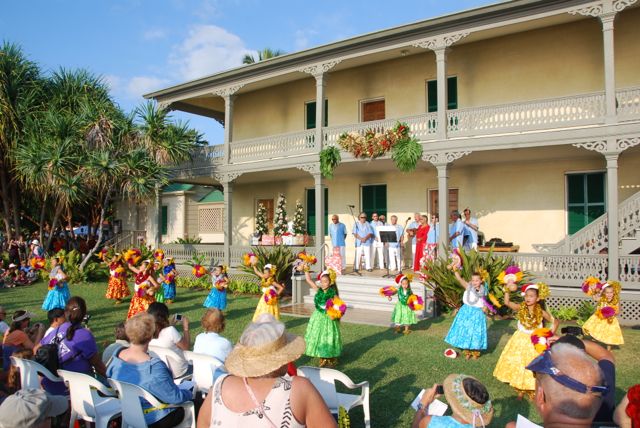
 

The Hulihee Palace (historic site) in Kailua, Hawaii, hosts a monthly music celebration that is free to all who wish to attend.

Music became a part of my life from then on. I was in the marching band and a dance band in high school that performed at proms for other schools. In college I learned guitar and enjoyed participating in hootenannies, informal acoustic music gatherings on the Southern Illinois University campus. In my 30s I bought a mandolin and slowly learned to play well enough to play in a band. Playing music puts me “in the zone” in a major way.


If you’ve seen the video about recent research regarding music and the human brain, you know that researchers are finding out how music engages our senses in a holistic way. We use all of our brain when we play music and it helps us in other areas of cognition and emotional intelligence. Music is a catalyst for engagement. I am grateful that a dedicated music teacher bothered to ask my parents to keep me involved.


Think about the opportunity this knowledge creates for non-formal, free-choice learning programs. The National Center for Education Statistics released a report in 2012 on the arts in formal education. The good news was that music is still in 94% of grade schools showing no decline in the previous decade. Dance and theater did not fare as well.


The annual Mount Fuji Festival in Fujinomiya, Japan, is a celebration of culture through music and dance for people of all ages.

Music as a part of programming at a zoo, nature center, museum, aquarium, community or historic site has great value. It lights up the brains of visitors just to hear music. If you involve them in making music the brain benefits are even greater. Music that is congruent with a place, culture and community can create lasting memories as it helps engage the brain in diverse ways.


Many free-choice learning sites host concerts, dances and varied arts performances. I haven’t seen many that teach music or bring musicians in on a regular basis. When I was a state park interpreter, I hosted monthly bluegrass and old-time music open-mike jams at the outdoor amphitheater. It was some of the most popular programming we offered and really appealed to local people who rarely took advantage of other park programming. It was a celebration of their local culture and a great social event over and over. As a nature center director, I started a music festival that became a great fundraiser and hosted many outdoor dances. We also had monthly music jams where players could learn from each other.


With our upcoming move to Hawaii, I am now learning to play ukulele and enjoying every minute of it. I hope to find opportunities to jam there, where the ukulele is part of the cultural soundscape at every community event (even though the instrument was originally introduced by the Portugese and is not considered a traditional Hawaiian instrument by many).


As a planner of interpretive experiences and trainer, I suggest that we think more about how to make music a part of the programming and ambiance of the places where we enjoy sharing our natural and cultural heritage. Neuroscience researchers suggest that the benefits of music to our well-being and in making memories are much more than we might have expected. Mr. Higgerson was obviously way ahead of them.


– Tim Merriman


The Interpretive Farm, Oz Style


entryWe were recently driving south from Melbourne to Phillip Island in Australia to watch the amazing emergence of 16,000 little penguins from the ocean at dusk. Along the highway we spotted a series of signs much like the old Burma Shave signs in the U.S., which were sequences of messages that pique your interest. These did the same, but the point of interest was a dairy farm. We were ready for a break from driving on the “wrong side” of the road and the traditions of afternoon tea in Australia are compelling.


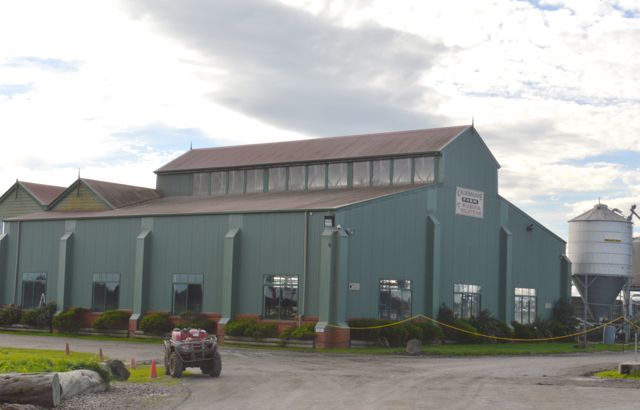
The Caldermeade Farm and Café entry feature on the highway included a stack of milk cans atop an easily read sign. Clear directions to the parking area take visitors past fields of farm animals. A nice welcome sign at the entry trail to the café immediately made options available – we could either go straight in for tea, pet the baby cows, see the other small animals (piglets, chicks, bunnies), or wait an hour to see the cows come home and get milked in the barn. We could see families out in a farm petting area with young Holstein calves and goats and barnopted for tea instead, but we did note that the large milking barn had viewing windows all the way round allowing a self-guided view of the activities in the barn. We went into the café and enjoyed delicious scones, like the American biscuits you’d get with biscuits and gravy but served with berry jam and fresh clotted cream with hot coffee. Heaven. As I paid the bill, we browsed the gift shop, which had tea towels and other items with iconic black and white cows, along with a variety of the jams and honey made on the farm, local wines, and of course, a variety of stuffed toy farm animals. On the way out I was amused by the farm weather station that used a rock on a rope to monitor conditions.


This kind of interpretive farm is interesting for so many reasons. It helps city dwellers, especially children, understand where their daily milk and related products originate. The combination of good food, places to walk farm4around and touch animals and a storyline about the farm creates a quality, complete experience. It makes you want to tell others about it. We could have stopped at the fast food shops one kilometer further and paid less for a quick snack that would be even more quickly forgotten, but we can do that any day in any place. This unique experience created a memory, embedded in all of our senses.


Farm interpretation (also known as agritourism) is not new. Winery tours with interpretation have been popular in some areas for many years. In Scotland, you’re likely to come across tours of malt whiskey distilleries. The interpretive tour of New Belgium Brewery in our hometown of Fort Collins, Colorado is excellent. And nothing beats the Bluebell Creamery tour in Brenham, Texas, especially on a hot summer’s day (a product sample is included with every tour).


farm3Caldermeade was especially inventive in using signs along the highway at the decision point. We had no idea where we would stop along our two-hour drive, but we knew we would stop somewhere. Their clever signs invited us to stop and try their fare. And we were glad we did.


And, by the way, the penguins were amazing on Phillip Island. If you get to Melbourne, go see the penguins and have a snack at Caldermeade Farm on the way.


–Tim Merriman


5 Ways to Turn T-shirts into Memorabilia with a Message

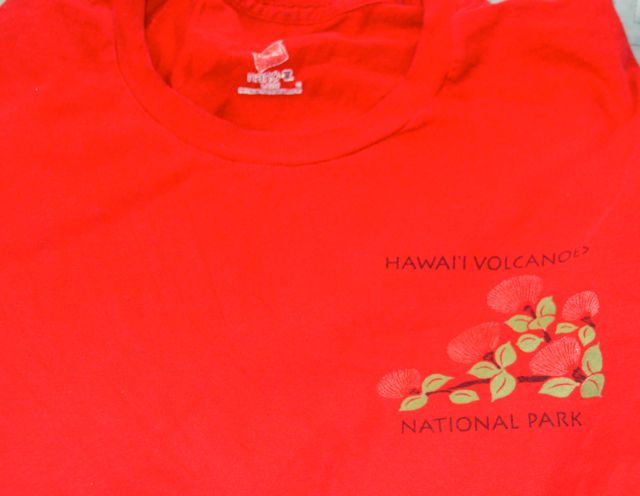
Hawaii TI love owning, wearing and buying t-shirts. They are comfortable, usually inexpensive, and serve as a palette for art and messaging. I can think of five good reasons to use them at interpretive sites and in social marketing campaigns as a way to promote your mission and message.


  1. Brand Recognition – At its simplest, a good t-shirt with your logo or an theme-related slogan will advertise your brand to everyone who sees it. People who love you will wear it everywhere and that lets others know that you exist.


  1. Event Memorabilia – If you offer special events, great t-shirts each year become collectors’ souvenirs of the event. Each one should have something that ties it to events from previous years thematically but also show something distinctive for each year. Don’t forget to include your logo or brand identity in addition to any specially designed logos for the annual event.

advice T

  1. Great Messages – Really well thought out messages or quotes that link with the brand or organization can get people to notice the wearer and start a conversation. For example, printing the bold phrase “Only elephants should own ivory” is a great message on a shirt for an elephant conservation organization.


  1. Art with a Message – A beautiful t-shirt with exceptional artwork always attracts attention. Like a great written message, artwork makes a statement that can start a conversation between the wearer and the observer that can provide the opportunity to invite people to your organization’s website for additional information.


  1. Iconic T-shirts – When a t-shirt represents something special in your life, it becomes a treasure. Creating a unique shirt for political campaigns, fundraising efforts, or links to once in a lifetime events may create a collector’s item (which may then become a fundraising opportunity as well). The problem with these iconic shirts is that they are likely to stay in the closet. I have a treasured political campaign T-shirt I rarely wear because I want it to last. I rarely show it off, so its message doesn’t get seen as often as it should.


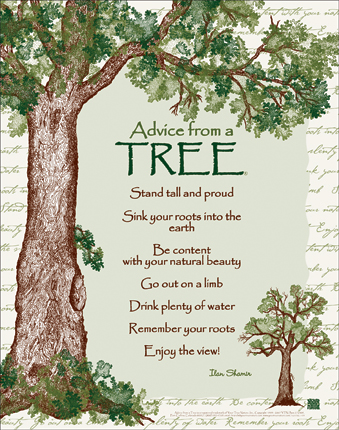
padvtreLGIlan Shamir of Your True Nature is an interpretive entrepreneur who writes, produces, and distributes the “Advice From . . . “ series of T-shirts, bookmarks, and other unique memorabilia mostly at parks, zoos, museums, nature centers and recreation sites. This popular series started with Advice from a Tree and has expanded in all directions. Lisa and I have several, ranging from Advice from a Shark to Advice from a Volcano. When we wear them, people smile and ask questions about the shirt. The messages have their attention because they are short, clever, and visually appealing.


I always prefer an interpretive gift shop with shirts that closely match the theme and feeling of the organization. When you can sell your own site-specific product the branding is always stronger. But shirts like the “Advice . . .” series may be a way to deliver a message compatible with your theme without having to create your own line of tees.


– Tim Merriman


Matching Mission and Message Zooperbly

DCIM101GOPROWe recently enjoyed training twenty-eight interpretive professionals from Victoria, New South Wales, and Tasmania in a day-long interpretive planning workshop at the Melbourne Zoo. Zoo personnel kindly invited us to explore the Melbourne Zoo and Healesville Sanctuary, two of the three Victoria Zoos, in our remaining days in the Melbourne area and we took them up on the offer.


Perhaps what we enjoyed most about the Melbourne Zoo is the clear message that this zoo is about fighting extinction. It’s not only pervasive throughout the interpretive text, but it’s written in bold letters across a landscape feature that draws visitor attention immediately on entering the zoo grounds. Interpretive signs remind visitors that there are things they can do to help in this effort, both at the zoo and at home. A gorilla telephone challenge invites DCIM101GOPROvisitors to recycle older cell phones to make an investment in protecting gorillas. The use of a “zooperhero” action figure and engaging language really brings young people to the cause. Teens and preteens are often considered a more difficult audience to reach but this approach targets their interests in both animals and phones and gets them involved in fighting extinction. The zoo provides prepaid mail-in envelopes to make it easy for guests to take action after they return home.


Melbourne Zoo definitely designs guest experiences that interpret animals of the world with a focus on the threats and options in protecting animals. Many of their exhibits seem to be in transition to habitats that enclose people in the environment of the animal, rather than caging the animal in a more human-centric environment. Animal identification signs make the experience more personal, providing the name of the animal (what the keepers call him or her) and its individual likes and dislikes rather than the more standard zoo sign that offers only scientific and common names, distribution, and status. The species information is also provided, but isn’t the main focus. We found this approach appeared to more fully engage visitors with the animals, building a bridge of familiarity from one representative animal to the entire species. It seemed to meet people where they were, instead of expecting non-biologists to be excited about the scientific knowledge of the species found in more traditional zoo approaches.


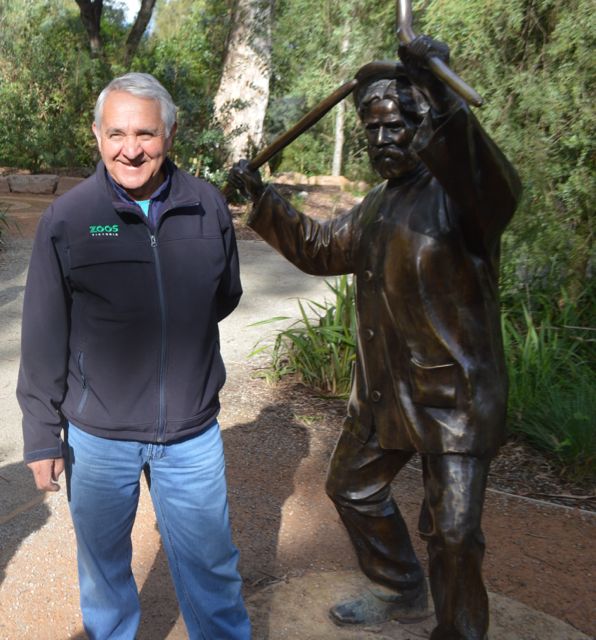
Murrundinde by the sculpture of his great, great uncle.

After leaving Melbourne, we drove over to Healesville Sanctuary an hour to the east of the city. The guest experience staff met us at the gate and introduced us to Murrundindi, the ngurungaeta (elder/leader) of the Wurundjeri people. At 69 years of age he remains a vigorous spokesman for his people and Victoria Zoos. In the past two years the Sanctuary has formalized the stories of his people using his personal and family stories as examples in exhibits and sculptures along a cultural trail that winds throughout the grounds. His storytelling skills and passion for sharing his culture with people is commanding. We were honored to have him spend time with us, helping us to understand a bit of his history as he told us of his painful transition from hiding his aboriginal history to sharing it with the world. It was wonderful to sit with him in the café and have him explain some of the artifacts he holds dear and get some first-hand tips on playing the didgeridoo.


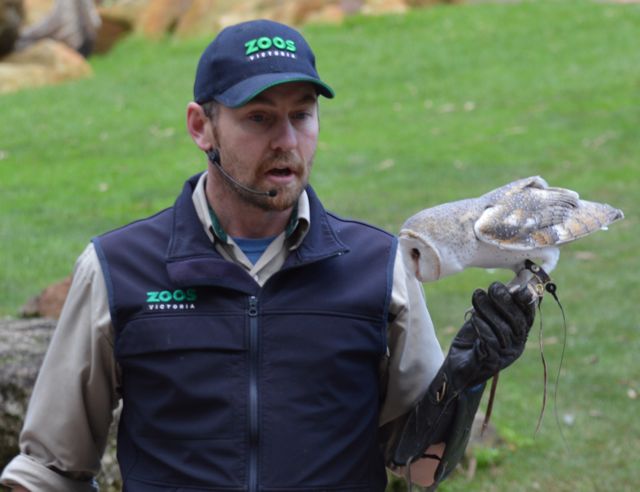
owlThe Healesville Sanctuary shares the story of aboriginal people while displaying native Australia animals in a beautiful forest environment. We were encouraged to watch a bird show with trained parrots and raptors. It’s a very entertaining show but it goes beyond the typical bird show. The core of the program was a message about using recycled paper products to preserve native forests that provide nesting and foraging habitat for the species of birds being flown in the show. The keepers explained how each species of cockatoo and raptor plays key roles in the ecosystems of Australia. We have seen other bird shows in parks and zoos, but this experience was exceptional in matching messages to the natural history stories and ecosystems.


Blending the natural and cultural heritage of Australia as they do so skillfully at Healesville Sanctuary makes a lot of sense. Landscapes, animals, and people are inextricably linked together and understanding those murrun2connections can be difficult when animals are pulled out of context into cages. Braiding the stories of native species, native peoples, and native plants throughout the visitor experience helps facilitate connections for people in a way that rarely happens in zoo settings. Like the Melbourne Zoo, Healesville Sanctuary is in transition as it updates exhibits and programs, but we definitely think they’re headed in the right direction and look forward to returning some day.


– Tim Merriman


Brewing Up Fun Down Under

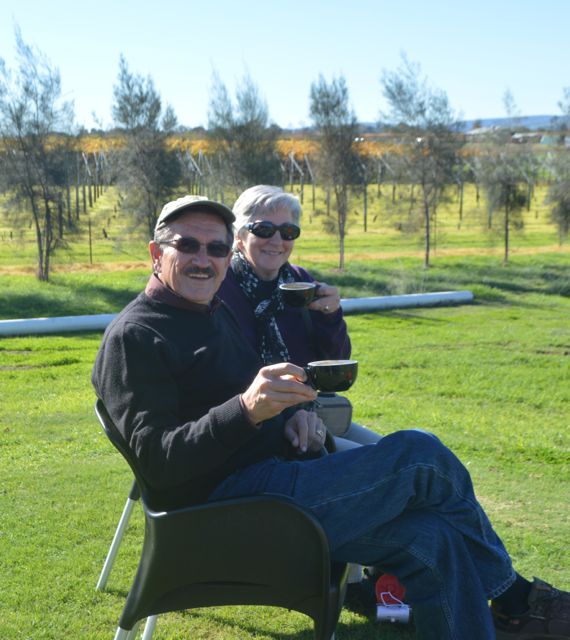
coffeeOn a recent trip to Perth, our host Rusty Creighton promised a great coffee break during one of our outings and what he had in store surpassed even my exacting coffee-craving expectations. Yahava KoffeeWorks is an oasis that blends calm and caffeine, nestled among the vineyards of Swan Valley.


The coffee place overlooks a beautiful lake reflecting the fall colors of grape arbors that stretch out in all directions. A spacious lawn accommodates couples and families enjoying the scenery with their coffee.


Inside, Mark Lucas, our barrista, sets out small glasses and begins serving free samples of their best in-house roasts. His coffee interpretation includes countries of origin, roasting practices and a range of options for coffee coffee1preparations that I’ve never seen before. Since we’ve recently purchased a small coffee farm in Kona, I’m fully engaged by his low-key presentation.


Cold drip coffee is a bit “lemony,” sharp and good. Coffee syrup mixed with cold milk is creamy and delicious, but not my preferred beverage. The varied dark roasts and blends are excellent, slightly different and easily compared in this taste test. Mark is friendly and skilled in telling stories about coffee. He easily keeps four or five customers served at the same time without slighting anyone. We munch on chocolate covered coffee beans to clear our palates between tastes.


coffee2Mark interpreted the coffee options with no sales pitch at all. A giant coffee roaster looms behind him and other barristas bustle around the busy bar. During the brief conversation over the various tasters, we look around to see that there are places to purchase bulk coffee to take home, a freshly brewed cup to enjoy on the grounds (no pun intended), and a variety of coffee-related merchandise. Every wall of the large warehouse style building offered bulk coffee, brewing devices, coffee-flavored food products, coffee-themed clothing and snack items.


The experience shifted us from “sell me a coffee” to a slow stroll through their amazing store. We soon had French press travel cups for brewing on the road and coffee-flavored toffee bars, along with a piping hot “long black” (plain American-style) and “flat white” (black coffee loaded with milk) from the main counter. We relaxed and enjoyed the setting and rich coffee before driving up into the hills to check out some hiking trails.


coffee3Yahava KoffeeWorks goes way beyond a Starbucks or other experience economy shop. Like the best craft beer breweries, which offer tours and tasting in addition to sales, this place makes you feel at home with their setting while they interpret their products. By the time we left, it was perhaps the most expensive coffee break we’ve ever taken, but we are, even as we type this, enjoying coffee made with our new French press travel cups. The craft of the coffee interpreter at Yahava made our day.


– Tim Merriman

Six ways to Put Interpretation On Your Manager’s Agenda

MGTI was at the National Park Service training facilities in Harper’s Ferry, West Virginia, when Mike Watson (then superintendent) said to me, “Interpretation is management.” I had heard our profession described as a management tool for decades, but if it’s only a tool, it’s one of those used too infrequently. I tend to agree with Mike – it’s not just a tool, it’s the way to manage most effectively.


How can you elevate interpretation in your park, zoo, museum, nature center, historic site or aquarium to being considered the fundamental approach to management? Here’s a few suggestions to get you started.


1)   Is the interpretive chief or interpreter invited to management meetings? It’s hard to contribute if you’re not at the table. You must know what challenges the site or organization faces. If not invited, ask to be invited. Or buy a box of donuts and show up. They rarely chase off the person with donuts. Show up and pay attention and volunteer ideas about how your programs and activities might help with management challenges.

2)   Read the annual management plan and any other documents that identify management issues. Strategize how you might use interpretive programming, signs and facilities to solve specific problems. Could you show how helping people better understand the resource will also help prevent vandalism, unwanted fires, or drownings?

3)   Write an annual interpretive business plan or operations plan that includes a logic model with measurable objectives and then stick with it. Show alignment of the objectives and results with management goals.

4)   Include your manager on your interpretive planning team to ensure that your interpretive objectives match his or hers. Everyone has to be on the same team.

5)   Report monthly, quarterly or annually on your progress toward objectives in your plan. Measure success in terms that management will understand and care about.

6)   Refer to interpretation as management when talking about why you do it. If you believe that what you are doing is “icing on the cake,” not the cake, you may find the icing scraped off during periods of budget decline.


Too often organizations are so compartmentalized that management, interpretation and marketing are in separate offices and rarely meet together. But ideally, all of these departments work together to help achieve the overall goals and objectives of the site. Your programming becomes more valued when you show the same interest in overall goals and objectives as the manager.


Interpretation can do more than the traditional approaches of creating awareness and building understanding. Showing the power of interpretation to assist with or even solve management problems simply enhances its value. Sam Ham’s new book, Interpretation: Making a Difference on Purpose documents how it may be used effectively.


–      Tim Merriman
 

70th Anniversary of D-Day – A Time to Remember

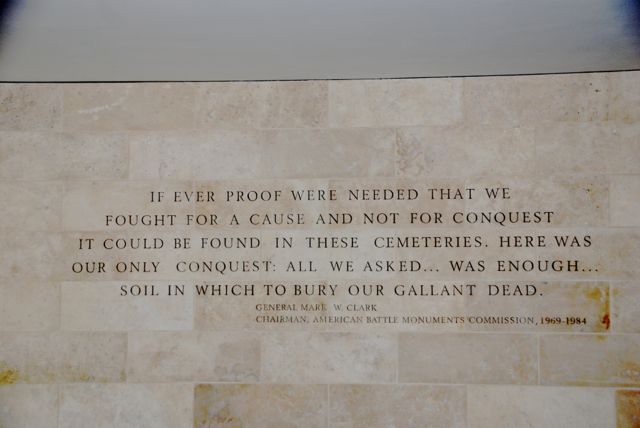
Seventy years ago today Allied forces hit the beaches of Normandy, France, at Utah and Omaha Beaches after an early assault by Army Rangers at Pointe du Hoc. The date was June 6, 1944. More than one million people annually visit Normandy Cemetery where 9,387 of the U.S. military are buried, mostly casualties of D-Day. The American Battle Monuments Commission manage the site and interpret the invasion, what has been interpreted in film as, The Longest Day. RIP

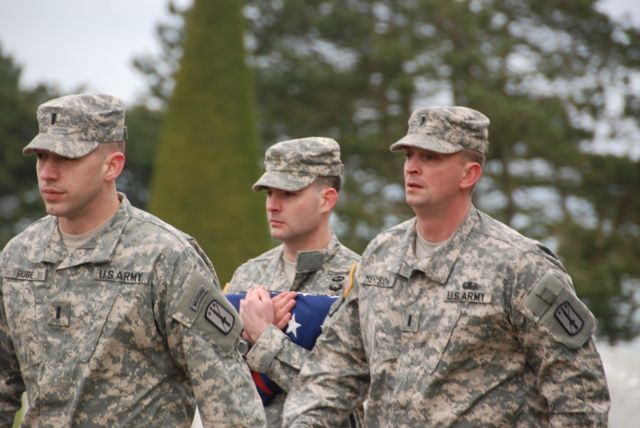
U.S. soldiers, recently back from Afghanistan, stopped at Normandy to pay respects - March 2012.
U.S. soldiers, recently back from Afghanistan, stopped at Normandy to pay respects – March 2012.

Normandy2

Normandy3

Normandy5

Normandy6

Omaha Beach
Omaha Beach

Normandy 9


8 Key Ways to Keep Valued Employees

cultureWe create a culture at work made up of behavioral norms. One of the most important roles of a manager or director is setting values for that culture. Ideally, the corporate culture promotes a feeling of comfort and support that keeps employees motivated and productive. Here are eight key ideas to consider if you want a culture that gets the most out of your employees and co-workers and helps them feel like they are part of a team, all pulling the same direction.

  1. Pass It On – Treat employees as you want them to treat both internal and external customers. Most of us say we want our customers treated well, but that is very hard for staff to do if they are treated poorly. If your workers live in a culture of care, communication and support, they will pass it on. The Customer Comes Second by Rosenbluth and Peters is a great place to learn more about this concept.
  2. Train Continually – Some managers worry that well-trained workers will inevitably move on, nullifying the investment in training. But what happens if you do not train them well and they stay with you? You will have a poorly trained workforce representing you poorly for all time. Well-trained workers are more likely to stay because the work environment is supportive. They feel valued when you invest in their education.
  3. Reward Continually – Say thanks daily for work well done and find small ways to reward good work along with the bigger ones of promotions and bonuses. Birthday lunches, a social hour at the end of a workday occasionally and other signs of appreciation encourage people to know and help each other. Plan an occasional day offsite for an employee social event.
  4. Support Honesty – Tell employees what you know when you know it and encourage honesty and transparency. When you lie or conceal information about organizational change, you have to require others to lie or conceal information. You encourage deceit and that backfires for they know you do not value honesty. If you are truly proud of your products and services, being honest about them should not be a liability. If you need encouragement in this area, watch the movie, Miracle on 34th Street for the 67th time (1947 movie).
  5. Plan with Input – Involve everyone in planning. If we all understand the direction we want the organization to move, we pull together. When we don’t agree or don’t fully understand what the ultimate goals are, we pull in opposite directions and that costs the organization in money, goodwill and dysfunction.
  6. Meet Regularly – Weekly updates help everyone stay on track. It’s easy to remind everyone of objectives and thank them for progress if you get together frequently. Posting objectives with monthly updates is also a way to keep measurable results in front of everyone.
  7. Maintain Pay and Benefits at Industry Standards –Pay is definitely one of the measures of caring from the employer. If they see you being rewarded financially in your role, but they are held back, they will soon be looking for a better work environment. Giving bonuses based upon performance will reward achievement of objectives.
  8. Coach Workers Toward Desired Behavior and Review Often – Avoid “you’re doing it wrong,” and give suggestions for desired behavior, “I might suggest you . . .” or “You may find more success by . . .” Scolding and public embarrassment actually do not work with children or animals and certainly has no place in the professional workplace. Regular performance reviews help employees understand your expectations, how they are doing, and how they might improve. The review provides a chance to compliment and coach. Quarterly reviews are ideal, allowing you to update each employee on their role in meeting objectives four times a year and resolving any issues promptly before they can become major problems.

Workers stay with organizations a long time when they feel like they are working with people who care about them. Deceptive behavior or abrupt, unexplained decisions on the part of managers unsettle everyone. These tried and true suggestions can help you create a sustainable workplace based on thoughtful practices designed to build a culture of communication, caring and support.   – Tim Merriman

Community Action in Action


rwandaOne of the things that immediately strikes travelers to Rwanda is how clean the country is. In all the places I’ve been, including the U.S., litter on the ground is a serious issue. You see it almost everywhere, blowing in the wind, lining gutters, hanging where it’s been caught on fences, floating in waterways. What would happen if every single person, every day, no matter where they live, would think about what they use and find ways to recycle, reduce or reuse it? What would happen if for those few things that must be thrown away, every single person would dispose of them properly? And for those things that might still end up on the landscape, what would happen if every single person would bend down and pick up at least two pieces of trash every day?


In the U.S. alone, the Environmental Protection Agency estimates every person generates about 4.5 pounds of trash per day. That’s 230 million tons of trash in the U.S. every year. Only about one-fourth of it is recycled or reused and most of the rest goes into landfills or is incinerated. But what happens to the trash that never makes it into the landfill or incinerator? It’s fair to say that it lays on the land until it blows away . . . but it’s got to end up somewhere eventually when the wind stops blowing. So where does it all go? Many people have heard about the Great Pacific Garbage Patch, an area of floating debris of over 7 million square miles. According to National Geographic, the garbage patch is “so far from any country’s coastline, no nation will take responsibility or provide the funding to clean it up.” Lack of responsibility seems to be the reason for the inordinate amounts of garbage that collect everywhere on our planet. What if everyone decided it’s their own responsibility to keep our world clean?


Sadly, I’m guessing that it won’t happen voluntarily. To change the norms that allow people to blithely discard their trash, there must be a combination of incentive, enforcement, and education. What makes Rwanda so clean? The practice of umuganda has changed the norms in this small country. Once a month, on the third Saturday, everyone in the country stops what they are doing for three hours and commits to community service actions, most frequently removing any debris that has collected in public view. The amazing thing to me is that so little appears to collect in between Umuganda Saturdays. When you get used to seeing things clean, it goes a long way toward encouraging you to keep it that way. It also helps that you won’t find a plastic bag anywhere in the country. Plastic bags are not used anywhere in the entire country or even allowed to enter the country. Travelers are required to dispose of any plastic bags before exiting the airport. It’s a positive step that I’m happy to report is now occurring in many U.S. cities.


I’d like to challenge everyone who reads this to commit him or her self to encourage community action in action. If you can’t initiate an Umuganda approach on a large scale, start small. Pledge to pick up two pieces of litter on the landscape every day and encourage others to do the same. In fact, while you’re at it, decide that you’re never going to walk past a piece of litter again. If you see it, pick it up and dispose of it appropriately. Jane Goodall says that everything you do makes a difference one way or another and only you can decide what you want that difference to be. I agree wholeheartedly. Individually, we may not be able to make what feels like significant change, but we can all be responsible for the decisions we make every day.


– Lisa Brochu


Crowdfunding – No Silver Bullet


Screen Shot 2014-05-16 at 6.20.04 AM
If you manage a program, I’m guessing one of the things constantly on your to-do list is raising funds for a variety of projects. It’s a great fantasy to imagine there’s some new simple system, a silver bullet that will eliminate the hard work traditionally associated with fundraising. The ease of Internet access in the last few years brought us the new trend of crowdfunding that promised to be one of the easiest ways to generate funds from the broader public. My optimistic side continues to believe that. My pessimistic side can see the flaws in the system. But statistics tell us that crowdfunding raised 2.7 billion dollars in 2012 and nearly double that in 2013, so this young and growing approach to finding donors and investors is definitely working for some.


Forbes.com has an article entitled Top 10 Crowdfunding Sites for Fundraising. It gives some background for each site and the types of projects for which they work best. Some are better for nonprofits and worthy causes, while others work better for inventors or individuals looking for investors for their creative endeavors. Fundamentally, crowdfunding sites provide web-based software that assists you in making your case, promoting the project, collecting funds, and evaluating your progress as you go.


Recently, we selected Indiegogo.com to raise funds to buy computers for Rwandan guides at national parks. Indiegogo.com is only one of many options but we felt it matched our need better than the others.


What we learned:

• Your natural constituents or warm markets are still the most likely to contribute.

• It can take a lot of promotion and you still may get only a little return.

• Non-target messaging and news releases elicit little or no response.

• Facebook proved to be the best channel to get interest; Twitter had no impact.

• The crowdfunding sites are the big winners for they get their fees regardless of your success.

• It takes practice to use this kind of tool skillfully, particularly in learning how to state your case and promote it.

• Personal stories help get people emotionally involved, but they take some time to collect and refine into a great case statement.


We raised only $800 with an objective of $10,000 so we were very unsuccessful when you consider an 8% performance. And all donors were from predictable sources – people we know well, colleagues in our profession, and people who know something about Rwanda and the challenges created by the genocide twenty years ago. Running a campaign without a nonprofit organization umbrella is also challenging. In the past, I’ve always represented the fundraising interests of a 501c3 charity that had members, which provided a large group of dedicated constituents to ask for help in raising funds. In my current role as a private business owner and consultant, all I have now is a passion for doing good work with and for good people. I confess that it’s disappointing to learn that many people simply will not donate without the added incentive of a tax exemption, no matter how worthy the cause.


So the bad news is that crowdfunding does not seem to be a silver bullet. The great news for us is that the efforts we made through Indiegogo.com led to donations of funds that will send three PCs and one iPad to four guides in Rwanda at Nyungwe National Park on May 19 with Dr. Beth Kaplin, an ecologist from Vermont who teaches in Huye, Rwanda. All four guides are working on Master’s degrees supporting families and doing amazing work with volunteer co-ops in their communities. We owe a special debt of thanks to our donors:

Pam and Mike Neely             Mary Jane and Mike Swope

Nicole Deufel (U.K.)              Lisa Brochu and Tim Merriman

Carole Ann Moorhead and Luke George

Marji Trinen

We will not quit, though our Indiegogo.com campaign has ended. This effort was just the beginning. If you are willing to help a Rwandan National Park Guide bridge the digital divide, you can:

  1. Contact us to donate any amount you can afford towards the purchase of laptops or iPads;
  2. Donate a laptop or iPad less than 5 years old that we will refurbish;
  3. Ask your friends to help in whatever way they can.

There are a total of more than 50 guides and hosts at parks we hope to help. It may take a year or two, but we will keep working on it.


If you’ve thought about crowdfunding as a source of funds for a special project, be sure to plan and prepare for months, read as much as you can about the various websites, and develop a promotions plan to help you get as much as benefit as you can from the campaign. Despite its shortcomings, crowdfunding is still likely to become an important way to approach some of those projects still lingering on your to-do list.


– Tim Merriman